


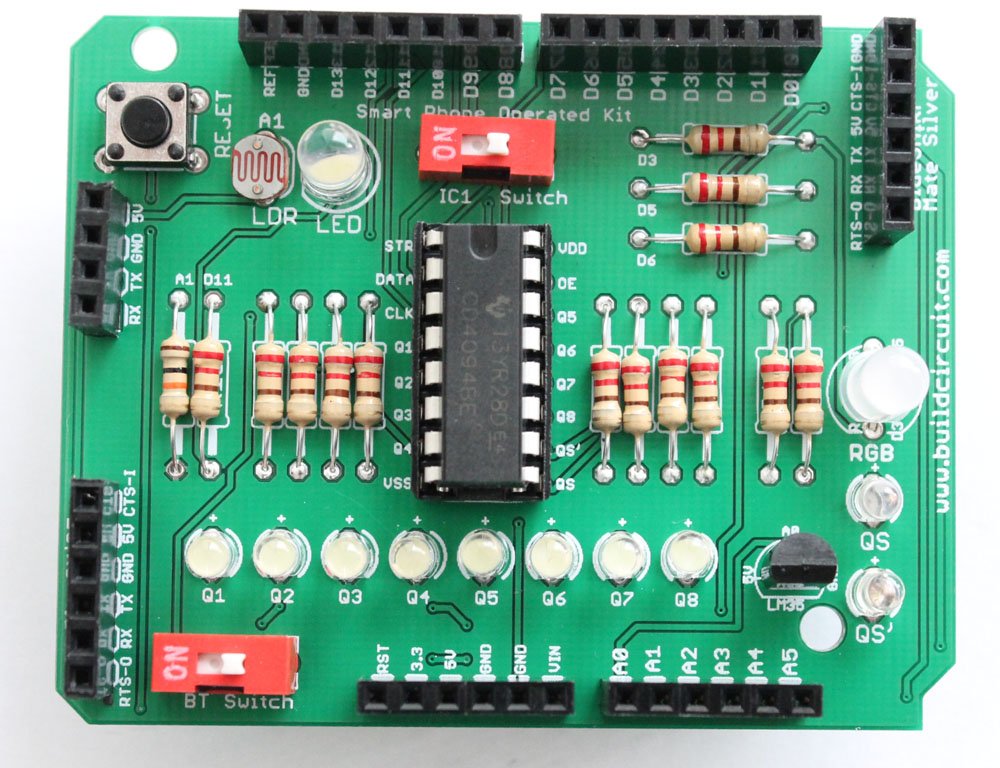
Android- Arduino BTCOMM Shield Circuit Layout Using Fritzing
You can make this shield on breadboard also. The circuit layout is given below: The BlueSMiRF used in the layout is Bluetooth Mate Silver READ ABOUT THIS SHIELD SEE ALL THE PHOTOS OF THIS EXPERIMENT SEE ALL THE PHOTOS OF AMARINO SHIELD V.3.0 OTHER EXPERIMENTS WITH THIS SHIELD CIRCUIT LAYOUT ON BREADBOARD
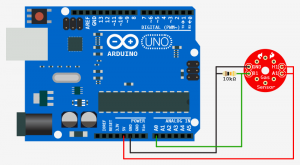
MQ-3 Alcohol Sensor, Breakout Board + Arduino
A lot has happened since our last article was published and to celebrate the continuance of bildr we’ll be playing with the MQ-3 Alcohol Gas Sensor. Coupled with the SparkFun Gas Sensor Breakout Board, connecting the MQ-3 to your Arduino is a breeze.
Factors affecting Wi-Fi transmission range
The range of a Wi-Fi signal can be influenced by several factors, which can impact its coverage and strength. Understanding these factors can help you optimize your Wi-Fi network for better performance. Here are the key factors that affect Wi-Fi transmission range: Frequency Band: Wi-Fi operates in different frequency bands, such as 2.4 GHz and…
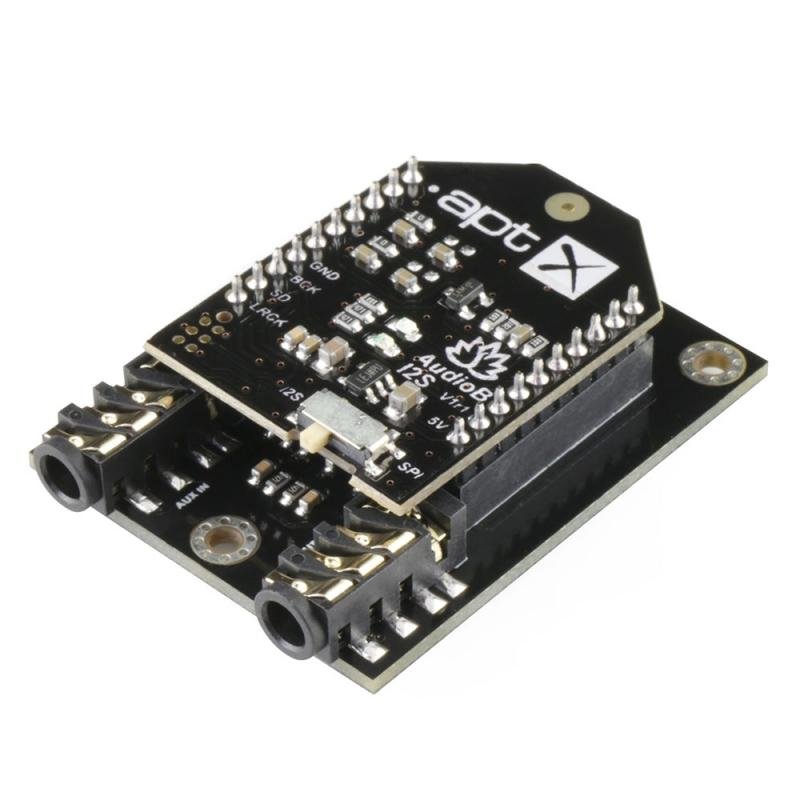
TSA7010 – Digital Bluetooth Audio Receiver Board (I2S+DAC)
This digital Bluetooth music receiver connects to the Line-In or Aux input on your home audio system. You can stream audio from your Bluetooth enabled cell phone or mp3 player to your home audio system. It comes with an I2S output digital AudioB plus Bluetooth module. I2S digital output and music resampling frequency is 48KHz. Apt-X supported….
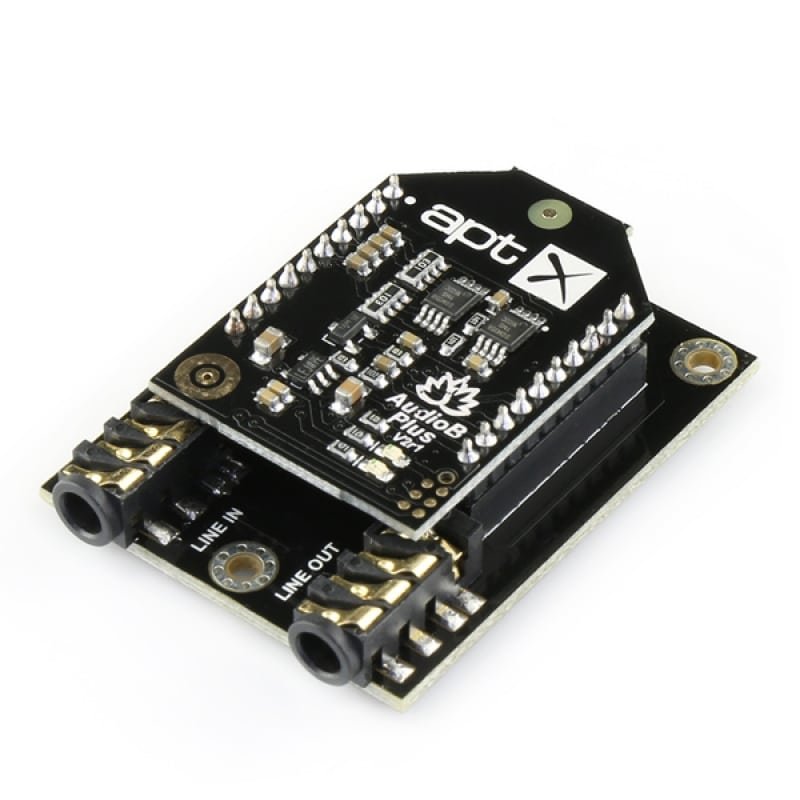
Bluetooth Audio Receiver Board (Apt-X)
This Bluetooth music receiver connects to the Line-In or Aux input on your home audio system. You can then stream audio from your Bluetooth enabled cell phone or mp3 player to your home audio system.
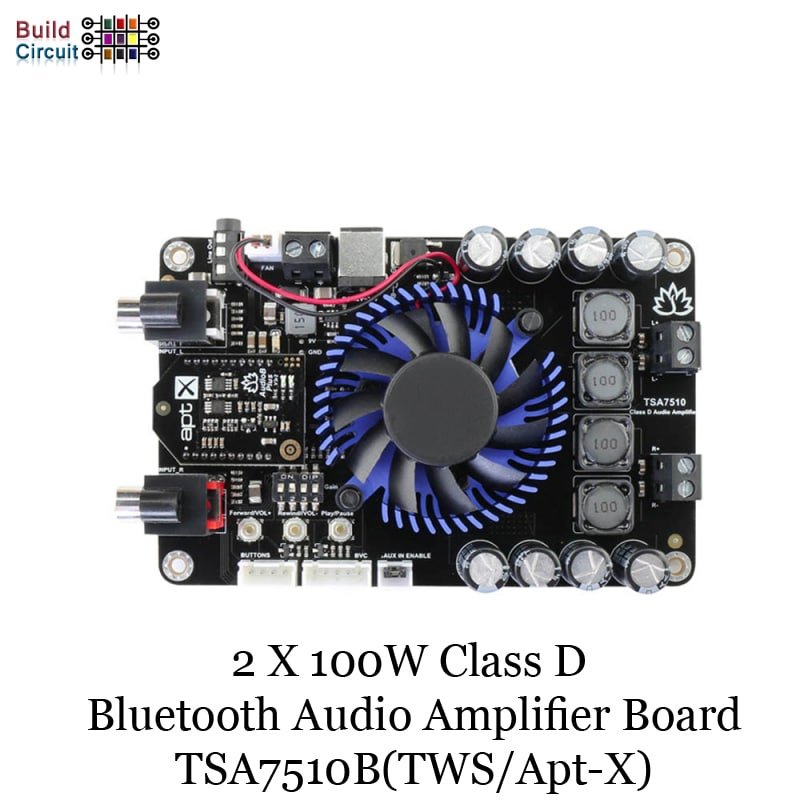
2 X 100W Class D Bluetooth Audio Amplifier Board – TSA7510B(TWS/Apt-X)
TSA7510B is a 2x100W audio amplifier board with a new AudioB plus Bluetooth module that supports Apt-X. It has perfect class-D architecture(Based on TPA3221) and each channel has 100W power output. Both of channels are capable of outputting nominal power simultaneously and continuously. This board can be powered by any DC12V-30V power supply. It can be used to drive…
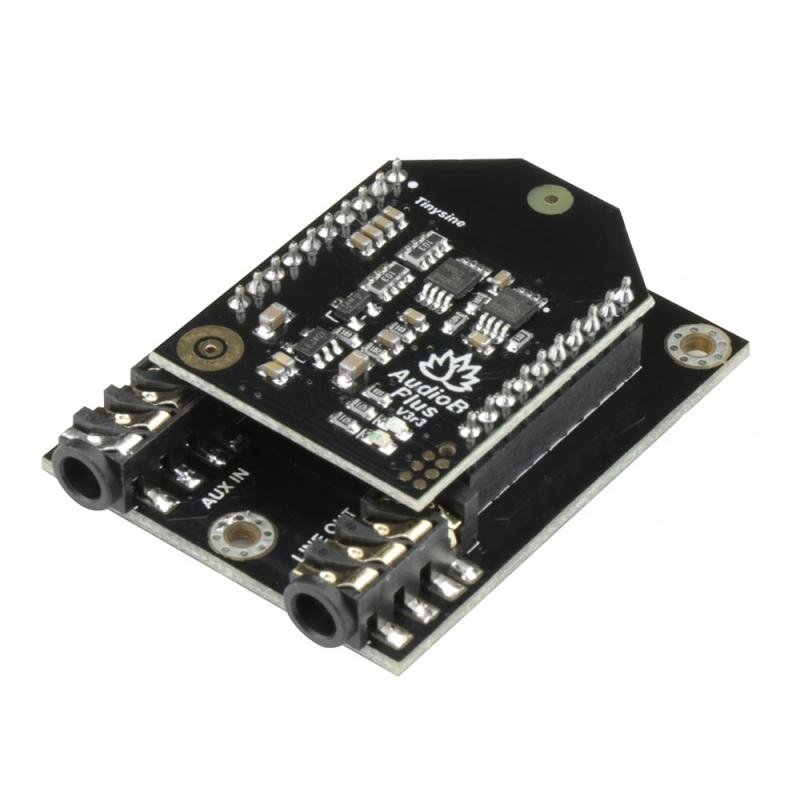
TSA6012 – Bluetooth Audio Receiver Board
This Bluetooth music receiver connects to the Line-In or Aux input on your home audio system. You can then stream audio from your Bluetooth enabled cell phone or mp3 player to your home audio system. It comes with an AudioB plus Bluetooth module. Note:TSA6012 can auto-detect the Aux in/Line in Audio input. Bluetooth Audio source has higher priority….

14W STEREO AUDIO AMPLIFIER
This project is a 14W Stereo Audio Amplifier based on LM4730 IC. DESCRIPTION 14W Stereo audio power amplifier build around LM4730 IC. The LM4730 is stereo audio amplifier capable of delivering typical 14W per channel of continues average output power a 4 Ohms or 8 Ohms load with less than 10% THD+N from 20Hz to 20Khz frequency. Each amplifier…
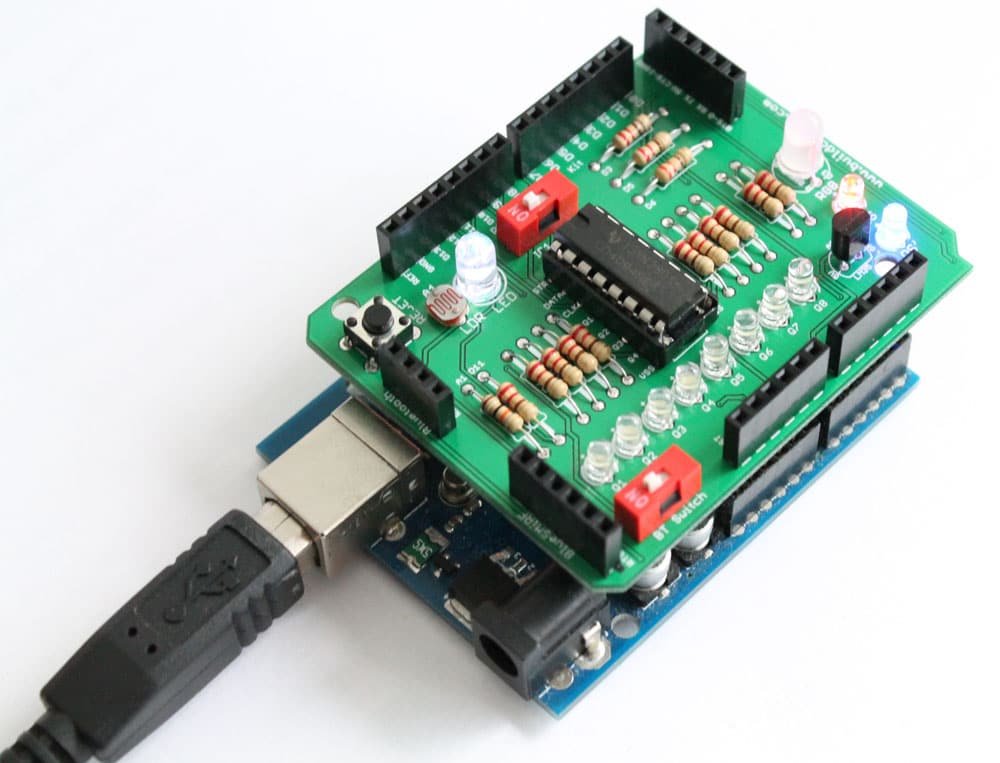
Amarino Shield Experiment 3- LM35 temperature sensor and LED controller
This is one of the most interesting experiments that uses Amarino shield and Amarino toolkit application. If you have never heard of Amarino toolkit and the shield, we recommend you to go the following pages: About Amarino toolkit About Amarino shield This experiment with Amarino shield is similar to our previous tutorials on Sensor Graph-…

DIY KIT 22- Rain drop sounder circuit using NE555
This is yet again a very simple astable multivibrator circuit using NE555. The circuit produces a sound that somewhat sounds like a raindrop. This is a very basic electronic kit project for electronics beginners and hobbyists. Anyone with basic electronics and soldering skills can build this easily.
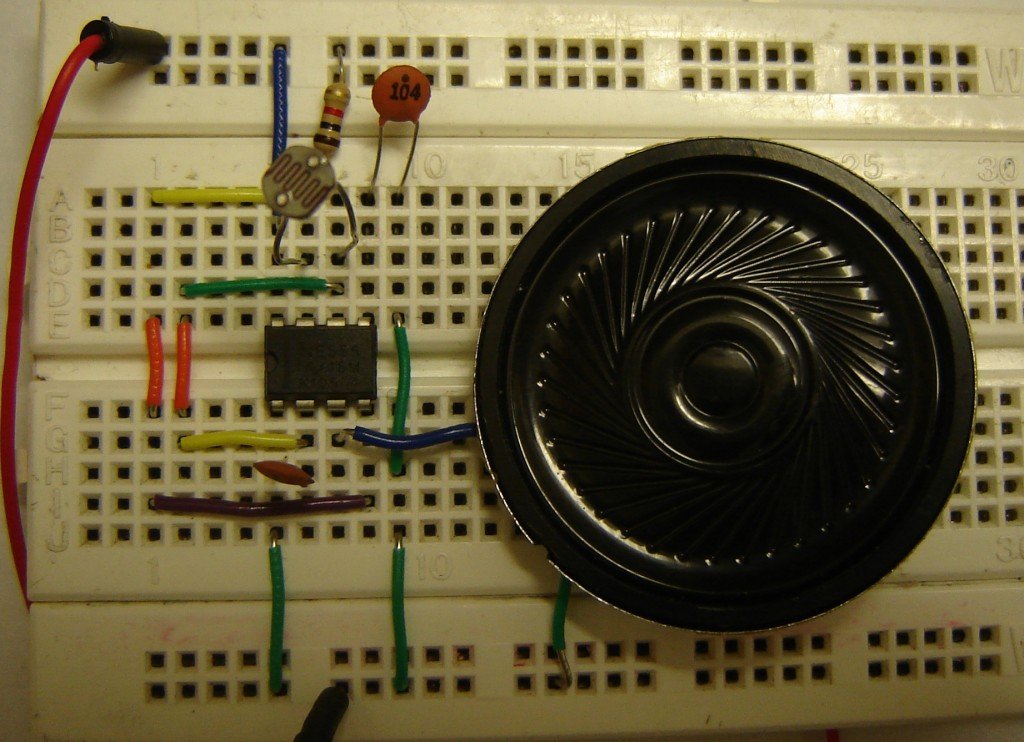
Sound generator and Musical toy organ
One of the main objectives of LDR Engineering projects is to make students capable of developing their own logic for making devices. Here is an example that tells how LDR Engineering helps in developing ideas.
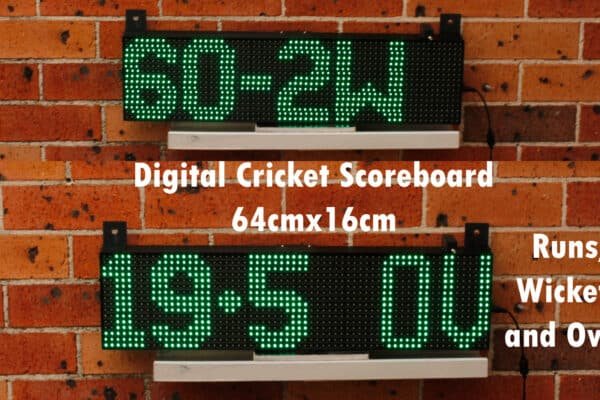
Slim 64 × 16 cm Electronic Cricket Scoreboard
Slim 64 × 16 cm electronic cricket scoreboard displaying Runs, Wickets and Overs in rotation with remote and browser control.
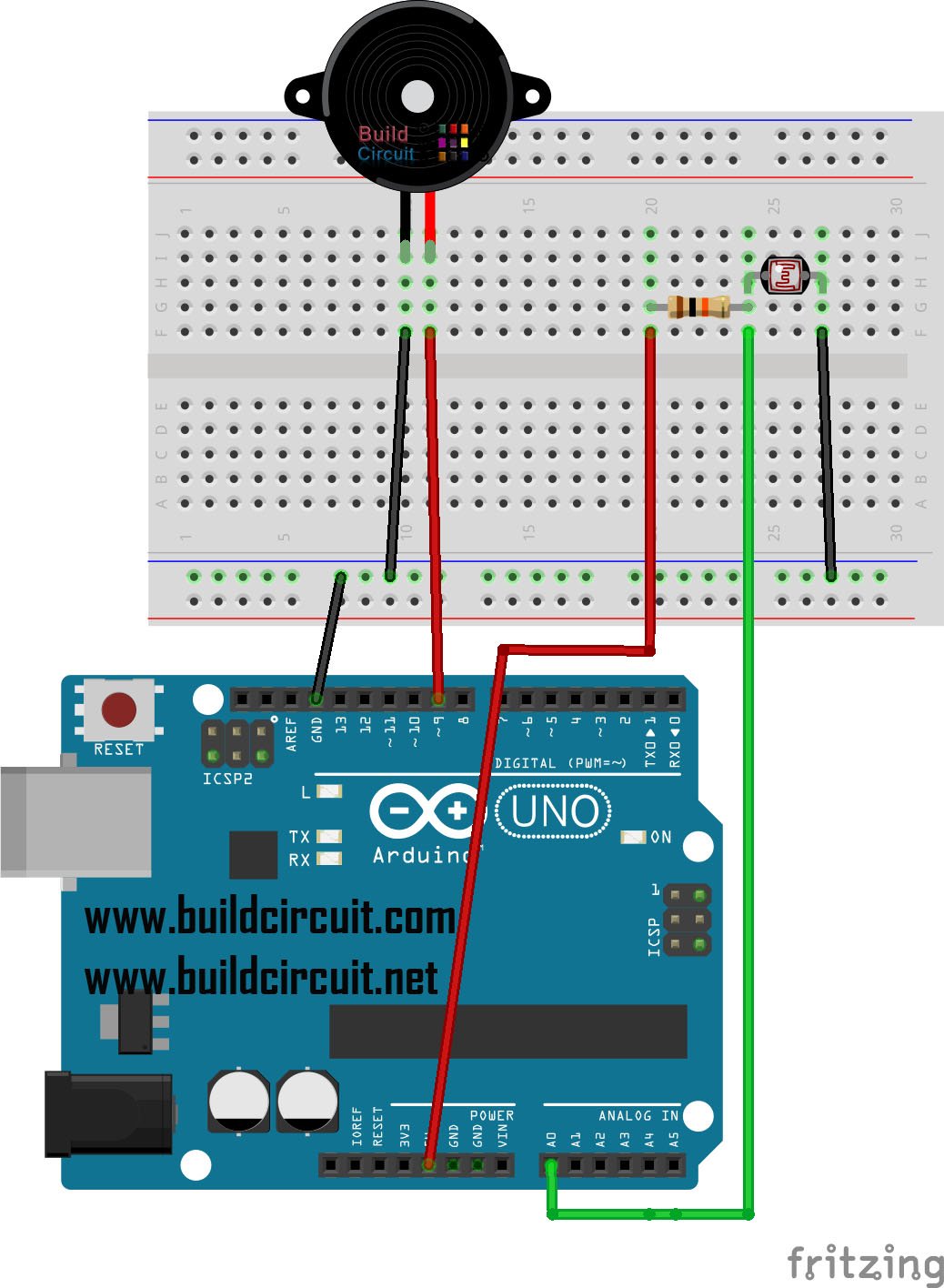
Arduino Project 4- LDR and Buzzer Experiment
In this project, we will learn to experiment with LDR and a buzzer. The output of this experiment is sound with different frequencies that are produced depending upon the light falling on the LDR/photoresistor. STEPS – Connect the negative black wire of the buzzer to pin GROUND and the black positive to the digital pin…
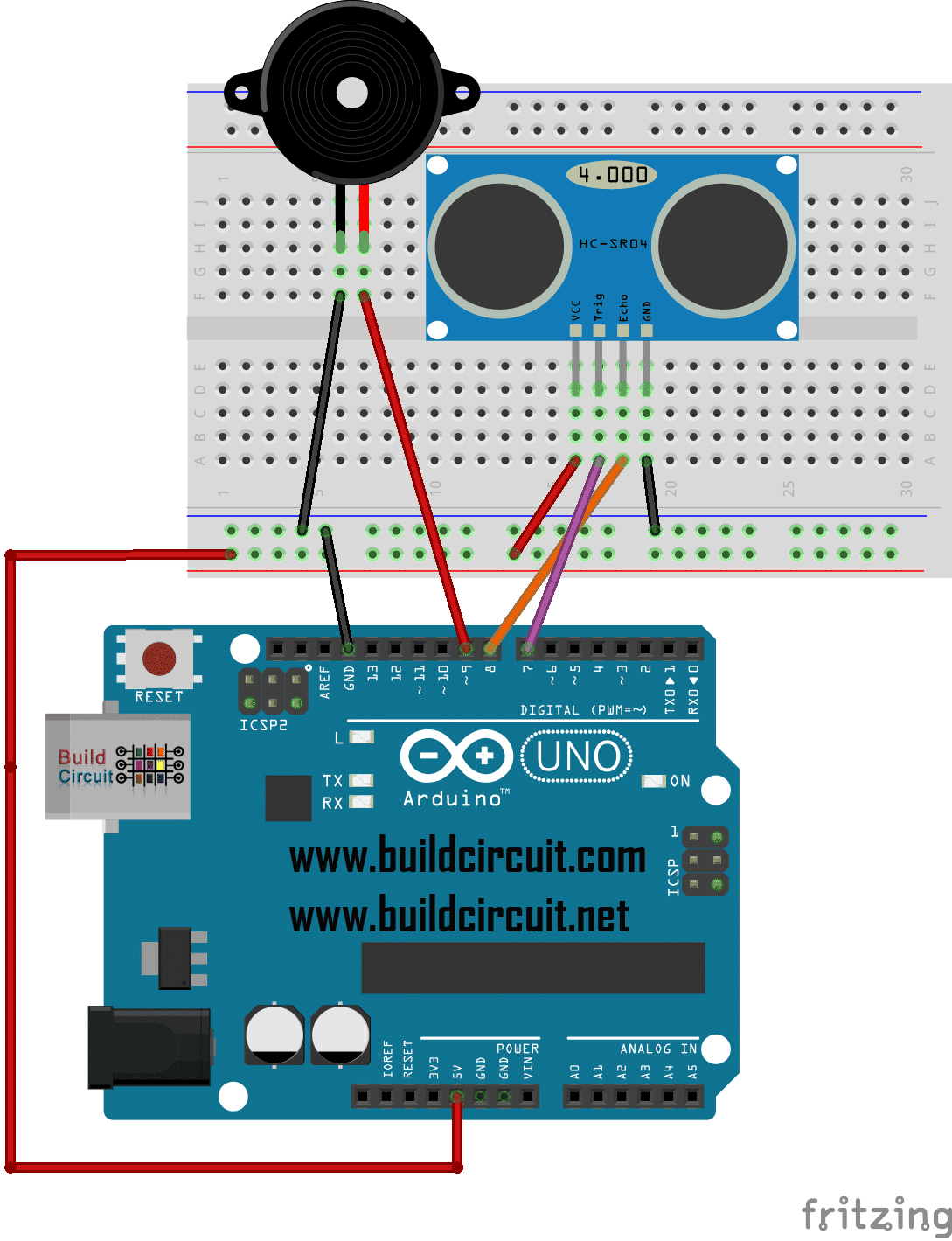
Arduino Project 52- Parking sensor using ultrasonic range finder HC-SR04
This is yet another ultrasonic range finder project using Arduino. We have done several similar projects in the past. It allows us to control a buzzer based on the distance detected by an HC-SR04 sensor, making it sound with a frequency proportional to the distance from an obstacle.
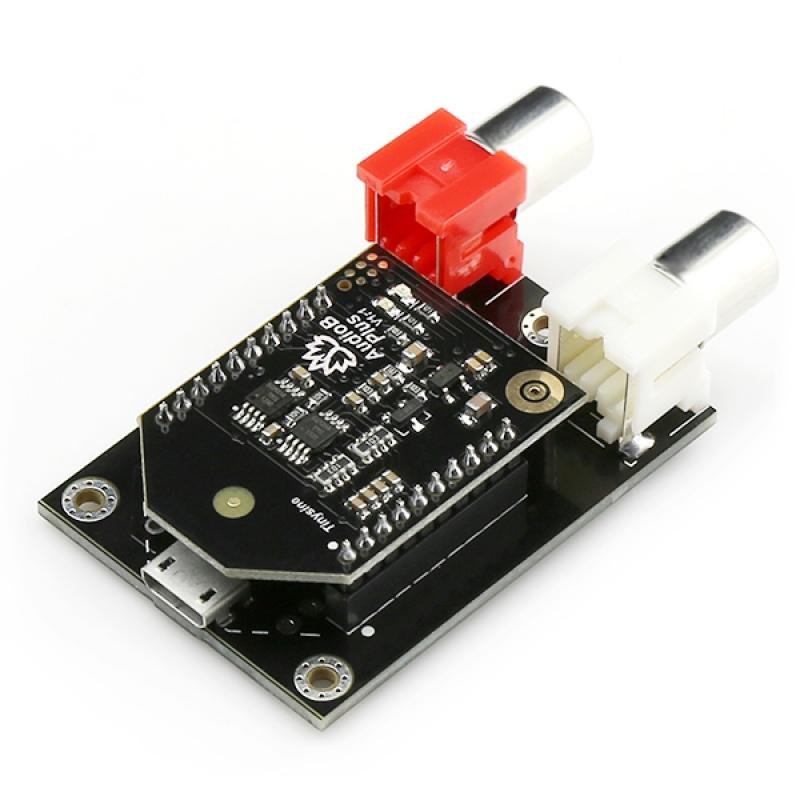
Bluetooth Audio Receiver Board – RCA
This Bluetooth music receiver connects to the RCA input on your home audio system. You can then stream audio from your Bluetooth enabled cell phone or mp3 player to your home audio system.

DIY KIT 60- Digital clock kit-II
This digital clock kit looks very much similar to this kit, the kit is actually slightly advanced than the previous kit. It has enough functionalities like any other regular clock. It is very accurate. It is an easy to build kit and perfect to start to develop your soldering skills. It uses the chip AT89C2051.
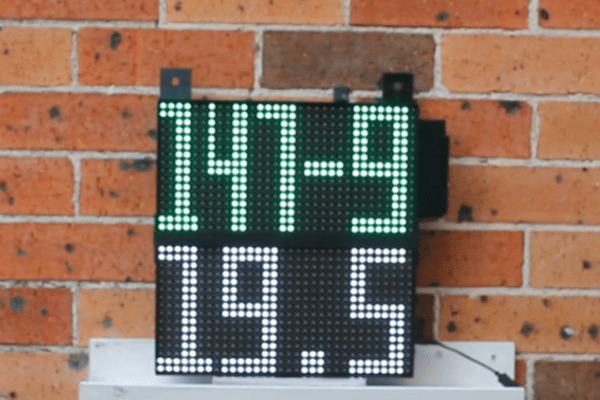
Two-Displays Cricket Scoreboard for Runs, Wickets and Overs
Compact two-display LED cricket scoreboard showing Runs, Wickets and Overs with separate colours, remote control and browser operation.
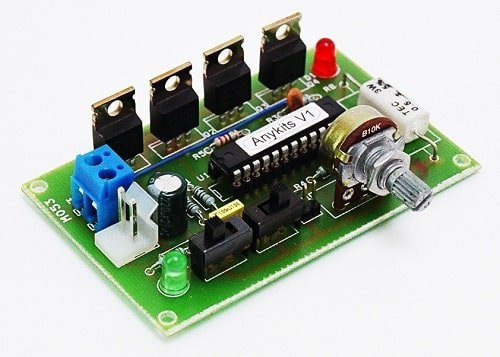
DC MOTOR & DIRECTION CONTROLLER WITH BRAKE USING MC33035
3AMP DC Motor speed and direction controller using MC33035 IC from on semiconductor, though the MC33035 was designed to control brushless DC motor , it may also be used to control DC brush type motors. MC33035 driving a Mosfets based H-Bridge affording minimal parts count to operate a brush type motor. On board potentiometer provided…

FM receiver kit and audio amplifier using LM386
This is one of the simplest ways of making an FM receiver. Just get a low cost FM receiver kit, make an audio amplifier using LM386, connect them together and your FM receiver is ready. Most of the commercial FM receiver kits receive the signals within the FM band, usually 88-108 MHz.